


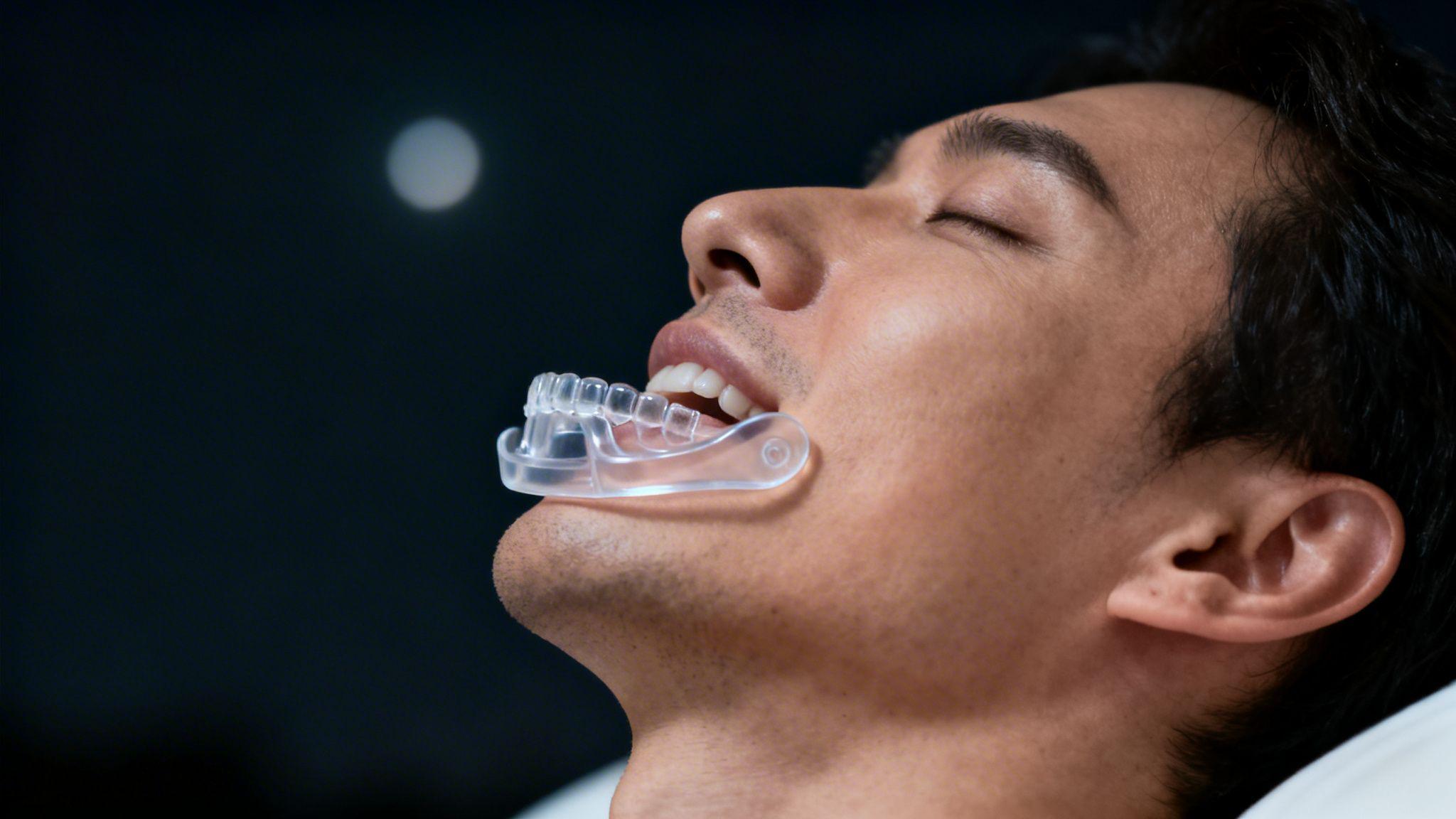
Sleep apnea is a serious sleep disorder that affects millions of people worldwide, causing them to stop breathing repeatedly during the night. While Continuous Positive Airway Pressure (CPAP) machines are the traditional standard of care, many individuals struggle to tolerate them. If you find yourself unable to adapt to a CPAP machine or are looking for a more convenient alternative, a sleep apnea mouthpiece might be the ideal solution. At Sierra Sleep Airway and Wellness Center, we specialize in helping patients achieve restful, restorative sleep through personalized care. This article will explore the signs that indicate you may be a good candidate for this treatment and explain how oral appliance therapy for sleep apnea works.
Understanding Obstructive Sleep Apnea
Obstructive sleep apnea (OSA) occurs when the muscles in the back of the throat relax excessively during sleep. This relaxation causes the soft tissues to collapse, blocking the airway. When the airway is blocked, breathing stops temporarily. The brain senses this drop in oxygen and briefly wakes the person up to reopen the airway. These awakenings are often so brief that the sleeper does not remember them, but they severely disrupt the sleep cycle.
Understanding the nuances of sleep apnea in adults is critical because untreated OSA is linked to severe health complications. When oxygen levels drop repeatedly throughout the night, it puts a significant strain on the cardiovascular system. Over time, this can lead to high blood pressure, heart disease, stroke, and type 2 diabetes.
What is a Sleep Apnea Mouthpiece?
A sleep apnea mouthpiece is a custom-fitted dental device worn during sleep to keep the airway open. These devices, often referred to as mandibular advancement devices (MADs), work by gently pushing the lower jaw forward. This forward positioning prevents the tongue and soft tissues from collapsing into the back of the throat. By physically stabilizing the airway, the device ensures that air can flow freely in and out of the lungs throughout the night.
There are different types of appliances available, but they all share the same primary goal: maintaining an unobstructed airway. Tongue retaining devices (TRDs) are another option, which work by holding the tongue in a forward position to prevent it from falling back into the throat. However, mandibular advancement devices are the most commonly prescribed and widely used. To ensure safety and effectiveness, these devices should always be prescribed and fitted by a qualified dentist or sleep specialist. If you are considering this treatment route, exploring professionally fitted options is highly recommended over over-the-counter boil-and-bite guards, which can cause jaw complications if not properly calibrated.
Signs You May Be a Good Candidate
Not everyone with sleep apnea is suited for an oral device, but many people are excellent candidates. Here are the primary signs that indicate a sleep apnea mouthpiece might be the right treatment for you.
1. You Cannot Tolerate a CPAP Machine
CPAP therapy is highly effective, but adherence rates are notoriously low. Many patients find the mask claustrophobic, the machine too noisy, or the forced air pressure too difficult to exhale against. Other common complaints include skin irritation from the mask, dry nasal passages, and the inconvenience of traveling with bulky equipment.
2. You Suffer from Mild to Moderate Sleep Apnea
The severity of your condition plays a significant role in determining the best treatment. For individuals diagnosed with mild to moderate obstructive sleep apnea, oral appliance therapy is often recommended as a primary treatment.
3. You Experience Persistent, Loud Snoring
Loud, chronic snoring is one of the most common indicators of airway obstruction. Even if you have not been formally diagnosed with sleep apnea, heavy snoring can disrupt your sleep and your partner’s rest. Snoring occurs when air flows past relaxed tissues in the throat, causing them to vibrate.
4. You Frequently Wake Up with a Dry Mouth or Sore Throat
Waking up with a dry mouth or a scratchy throat is a common sign of mouth breathing and airway obstruction. When the airway narrows, the body naturally attempts to compensate by opening the mouth to take in more air, leading to dryness and irritation.
5. You Experience Morning Headaches and Jaw Pain
Frequent morning headaches are a hallmark symptom of sleep apnea. When breathing stops during the night, oxygen levels in the blood drop, causing blood vessels in the brain to dilate, which results in a throbbing headache upon waking.
6. You Struggle with Daytime Fatigue and Brain Fog
Sleep should be restorative. If you are getting seven to nine hours of sleep but still wake up feeling exhausted, your sleep architecture is likely being disrupted by untreated apnea. This lack of restorative sleep leads to daytime fatigue, difficulty concentrating (brain fog), and a higher risk of workplace or driving accidents.
How Oral Appliance Therapy Works
The process of getting fitted for a mouthpiece is straightforward but requires professional oversight. It begins with a comprehensive evaluation of your teeth, jaw, and airway. Your dentist will examine your dental health to ensure your teeth and gums are strong enough to support an appliance. Once you are deemed a good candidate, precise impressions or digital scans of your mouth are taken. These scans are sent to a specialized dental laboratory where your custom oral appliances for sleep apnea are manufactured.
When the device is ready, your dentist will adjust it to ensure a comfortable fit. The device will be calibrated to position your jaw forward by the exact millimeters necessary to keep your airway open. Follow-up appointments are essential to fine-tune the device and ensure it is working effectively. To understand the full scope of the procedure, benefits, and long-term management, reading your complete guide to oral appliance therapy for sleep apnea is highly recommended. This resource provides an in-depth look at what to expect during and after the fitting process.
Benefits of Custom Oral Appliances for Sleep Apnea
Choosing a sleep apnea mouthpiece offers several distinct advantages over other treatment modalities.
Comfort and Convenience
Unlike bulky CPAP machines, a mouthpiece is small, quiet, and easy to wear. It does not require electricity, a hose, or a mask. This makes it incredibly convenient for travel, camping, or simply moving around the house at night without being tethered to a machine.
Improved Compliance
Because oral appliance therapy is comfortable and unobtrusive, patients are much more likely to use it consistently. High compliance rates mean better treatment outcomes and a more significant improvement in overall health and daily energy.
Quiet Treatment
A sleep apnea mouthpiece operates silently. It eliminates the hum of a CPAP motor, ensuring a peaceful environment for both the patient and their bed partner.
Custom Fit for Optimal Results
Over-the-counter boil-and-bite mouthguards are not designed for the specific mechanics of sleep apnea and can lead to jaw pain, TMJ disorders, or irreversible tooth shifting.

Comparing Treatment Options: CPAP vs. Mouthpiece
When evaluating treatment for sleep apnea, patients often weigh CPAP therapy against oral appliances. Below is a comparison table highlighting the key differences between the two options.
| Feature | CPAP Machine | Sleep Apnea Mouthpiece |
|---|---|---|
| Mechanism | Delivers continuous pressurized air to keep airway open | Repositions lower jaw forward to physically open airway |
| Comfort | Can be uncomfortable due to mask and air pressure | Highly comfortable, custom-fitted to the mouth |
| Portability | Bulky, requires electricity, difficult for travel | Small, portable, no electricity required |
| Noise Level | Machine produces a steady hum and air sounds | Completely silent |
| Maintenance | Requires daily cleaning of mask, hose, and water chamber | Simple brushing and soaking of the mouthpiece |
| Ideal For | Severe sleep apnea patients who can tolerate it | Mild to moderate apnea, CPAP intolerant patients |
The Importance of Professional Guidance
Attempting to treat sleep apnea with an over-the-counter device is risky. Sleep apnea is a medical condition that requires a medical diagnosis and a customized treatment plan. A dentist trained in dental sleep medicine has the specialized knowledge to ensure the device fits correctly without causing temporomandibular joint (TMJ) issues or unwanted tooth movement.
Furthermore, a professional can adjust the device incrementally. As your body adjusts to the oral appliance therapy sleep apnea treatment, the jaw position may need to be advanced slightly to achieve optimal airway opening. This ongoing calibration is only possible with a professionally managed device. When selecting a provider, it is crucial to learn why choose us for your dental sleep medicine needs, as experience, advanced technology, and ongoing support are paramount to successful treatment.
Frequently Asked Questions (FAQ)
What exactly is oral appliance therapy sleep apnea treatment?
Oral appliance therapy sleep apnea treatment involves wearing a custom-fitted dental device, similar to an orthodontic retainer, while you sleep.
How do I know if a sleep apnea mouthpiece will work for me?
The best way to determine if a mouthpiece is right for you is to undergo a sleep evaluation and consult with a dental sleep specialist.
Will wearing a mouthpiece cause jaw pain?
When properly fitted by a professional, a sleep apnea mouthpiece should not cause severe jaw pain.
Is a sleep apnea mouthpiece covered by insurance?
In many cases, yes. Medical insurance plans, including Medicare, often cover oral appliance therapy for sleep apnea if you have a documented diagnosis of obstructive sleep apnea and can demonstrate CPAP intolerance.
Conclusion
Recognizing the signs of sleep apnea and seeking appropriate treatment is vital for your cardiovascular health, cognitive function, and overall quality of life. If you cannot tolerate a CPAP machine, suffer from chronic snoring, or wake up with morning headaches and fatigue, you may be an excellent candidate for a sleep apnea mouthpiece. These custom devices offer a comfortable, quiet, and highly effective way to keep your airway open and achieve the restorative sleep your body needs.
At our practice, we are dedicated to finding the right solutions for your specific airway and dental anatomy. If you are ready to reclaim your rest and improve your health, please contact us today to schedule a consultation and find out if an oral appliance is the right choice for you.