


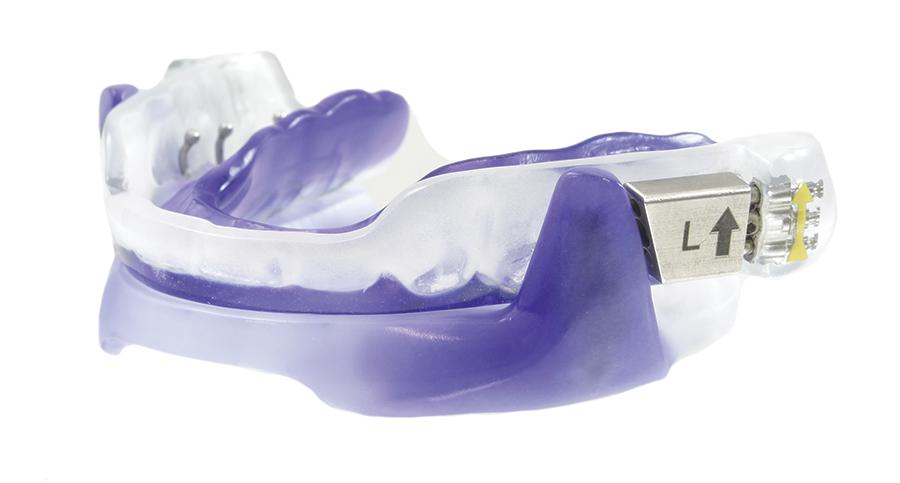
Sleep apnea is a pervasive sleep disorder characterized by repeated pauses in breathing throughout the night. These interruptions can lead to chronic fatigue, cardiovascular issues, and a diminished quality of life. While continuous positive airway pressure machines are traditionally prescribed, many individuals struggle to tolerate them. At Sierra Sleep Airway and Wellness Center, patients can find comprehensive evaluations and customized alternatives that fit their lifestyles. This guide explores the various types of oral appliances used to treat sleep apnea, explaining how they function, who they benefit, and why professional customization is necessary for safe treatment.
Understanding Oral Appliance Therapy for Sleep Apnea
Oral appliance therapy for sleep apnea involves the use of a specialized dental device worn only during sleep. These devices look somewhat similar to sports mouthguards or orthodontic retainers, but their engineering is highly specific. They are designed to physically maintain an open airway by repositioning the lower jaw, tongue, or soft palate.
Sleep apnea oral appliance therapy is widely recognized by dental and medical professionals as a first line treatment for mild to moderate obstructive sleep apnea. It is also an effective alternative for severe cases when continuous positive airway pressure therapy is intolerable. If you want to learn more about the foundational concepts of this treatment, you can read our complete resource on oral appliance therapy.
How Sleep Apnea Oral Appliances Work
To understand how these devices function, it is helpful to look at the mechanics of obstructive sleep apnea. During sleep, the muscles in the back of the throat naturally relax. For individuals with sleep apnea, this relaxation causes the soft tissues to collapse inward, blocking the airway. When the airway is blocked, breathing stops, and blood oxygen levels drop. The brain senses this emergency and briefly rouses the individual from sleep to reopen the airway. This cycle can happen dozens of times per hour, preventing deep, restorative sleep.
Sleep apnea oral appliances prevent this airway collapse through mechanical support. By gently repositioning the lower jaw forward, the device pulls the tongue and associated soft tissues away from the back of the throat. This action stabilizes the airway, much like a splint keeps a joint in proper alignment. Understanding sleep apnea in adults is essential for recognizing how these mechanical adjustments directly address the physiological causes of nighttime breathing interruptions.
Common Types of Oral Appliances Used to Treat Sleep Apnea
There are several different types of oral appliances available, each designed to address specific anatomical needs. A sleep dentist will recommend the best option based on the severity of the condition, the structure of the patient’s mouth, and personal comfort. The most common categories include mandibular advancement devices, tongue retaining devices, and combination appliances.
Mandibular Advancement Devices (MADs)
Mandibular advancement devices are the most widely prescribed oral appliances for sleep apnea. They consist of upper and lower dental trays that fit securely over the teeth. These trays are connected by a mechanism that gently pushes the lower jaw forward and slightly downward.
This forward movement tightens the soft palate and the base of the tongue, preventing them from collapsing into the airway during sleep. Most MADs feature adjustable hardware, allowing the dentist to make precise modifications. Fine tuning this jaw advancement is critical for maximizing the effectiveness of the device while maintaining the patient’s comfort.
Tongue Retaining Devices (TRDs)
While less common than mandibular advancement devices, tongue retaining devices are highly effective for specific patients. A TRD does not move the jaw. Instead, it features a small compartment or bulb that sits on the front of the device. The patient places their tongue into this compartment, and a slight suction holds the tongue forward.
This design is particularly beneficial for patients whose primary airway obstruction is caused by the tongue falling back into the throat. TRDs are often recommended for individuals with severe macroglossia, which is an enlarged tongue, or for patients who lack sufficient healthy teeth to support the grip of a mandibular advancement device.
Combination Oral Appliances
Some patients benefit from a hybrid approach. Combination oral appliances incorporate features of both mandibular advancement devices and tongue retaining devices. These devices hold the jaw forward while also featuring a mechanism to retain the tongue. This dual action can be particularly useful for patients with complex airway anatomy who do not achieve complete relief with a single mechanism device.
Comparison of Oral Appliance Types
| Appliance Type | Mechanism of Action | Best Candidates | Key Advantages |
|---|---|---|---|
| Mandibular Advancement Device (MAD) | Repositions the lower jaw forward to tighten soft tissues | Patients with mild to moderate sleep apnea and adequate healthy teeth | Highly adjustable, widely studied, easy to wear |
| Tongue Retaining Device (TRD) | Uses suction to hold the tongue forward | Patients whose obstruction is tongue based or who lack sufficient teeth | No jaw movement required, suitable for edentulous patients |
| Combination Appliance | Advances the jaw while holding the tongue | Patients with complex airway anatomy needing dual support | Comprehensive airway management, highly customizable |
Custom Oral Appliances for Sleep Apnea vs. Over-the-Counter Options
When exploring treatment options, patients often encounter over-the-counter snoring mouthguards. These generic devices typically use a boil and bite method to mold the plastic to the teeth. While they are less expensive, they are not recommended for treating sleep apnea.
Over-the-counter devices lack the precise fit required to maintain jaw position safely throughout the night. A poor fit can lead to jaw pain, tooth movement, and soft tissue irritation. Furthermore, generic devices cannot be professionally adjusted to titrate the exact amount of jaw advancement needed to eliminate apneas. Without medical supervision, there is no way to objectively verify that the device is preventing breathing pauses.
In contrast, custom oral appliances for sleep apnea are medical devices fabricated in specialized dental laboratories. They are crafted from durable materials using precise digital scans of the patient’s dental anatomy. This ensures a snug, comfortable fit that will not damage the teeth or gums. At Sierra Sleep Airway and Wellness Center, we offer a specialized range of custom oral appliances for sleep apnea designed to address unique anatomical challenges safely and effectively.
Who Can Benefit from Sleep Apnea Oral Appliance Therapy?
Oral appliance therapy sleep apnea treatment is an excellent option for a wide range of patients, but it is not a one size fits all solution. Ideal candidates include individuals diagnosed with mild to moderate obstructive sleep apnea. It is also highly recommended for severe sleep apnea patients who are non compliant with continuous positive airway pressure therapy.
Frequent travelers often prefer oral appliances due to their compact size and lack of required electricity. Furthermore, individuals who experience claustrophobia or skin irritation from traditional masks find dental appliances to be a liberating alternative. A thorough evaluation is necessary to determine candidacy, which is why choosing a specialized provider is critical for achieving optimal health outcomes without causing unintended dental shifts.
The Process of Getting Oral Appliance Therapy
The journey to better sleep through dental appliances involves several careful steps to ensure safety and efficacy.
1. Initial Consultation: The process begins with a comprehensive examination by a qualified sleep dentist. The provider will review your sleep study results, examine your oral cavity, and assess your temporomandibular joints for any dysfunction.
2. Digital Impressions: If you are a good candidate, the dentist will take highly accurate digital scans of your teeth and gums. These scans are sent to a dental laboratory.
3. Laboratory Fabrication: Skilled technicians use the digital scans to manufacture your custom device, ensuring it matches your exact dental topography.
4. Delivery and Fitting: Once the appliance is ready, you will return to the office. The dentist will ensure the device fits comfortably and make any necessary initial adjustments.
5. Follow Up and Titration: Over the following weeks and months, you will return for follow up visits. The dentist will gradually adjust the device to move your jaw forward in small increments until your symptoms resolve completely.
6. Objective Verification: A final sleep study is often conducted while wearing the appliance to objectively confirm that it is effectively eliminating your sleep apnea.
Caring for Your Sleep Apnea Oral Appliances
Proper maintenance is essential for the longevity of your device and your overall oral hygiene.
1. Daily Cleaning: Clean your appliance every morning with a soft bristled toothbrush and mild liquid soap. Avoid using regular toothpaste, as it can be abrasive and scratch the acrylic.
2. Regular Soaking: Use a specialized denture cleaner or a solution recommended by your dentist to soak the device weekly. This removes bacteria and prevents buildup.
3. Safe Storage: Keep the appliance in a ventilated case when not in use. Avoid leaving it in direct sunlight or hot water, as heat can warp the material.
4. Routine Checkups: Bring your appliance to your regular dental checkups so your dentist can inspect it for wear and tear and ensure it still fits properly.
Conclusion
Living with untreated sleep apnea can severely impact your overall health, leading to complications such as hypertension, diabetes, and chronic fatigue. Finding a treatment that you can consistently use is the most important factor in managing this condition. While continuous positive airway pressure machines remain a standard treatment, sleep apnea oral appliances offer a comfortable, convenient, and highly effective alternative for many patients. By understanding the types of oral appliances used to treat sleep apnea, you can make an informed decision about your health care. If you are ready to explore your treatment options and improve your quality of life, we encourage you to reach out to our team to schedule a comprehensive evaluation.
Frequently Asked Questions (FAQ)
1. Are sleep apnea oral appliances comfortable to wear?
Most patients find oral appliances much more comfortable than traditional masks. It may take a few weeks to get used to the sensation of having a device in your mouth, but any initial jaw soreness usually subsides as the facial muscles adapt to the new resting position.
2. How long do custom oral appliances for sleep apnea last?
With proper care and routine maintenance, a high quality custom appliance typically lasts between three to five years.
3. Will oral appliance therapy sleep apnea treatment damage my teeth?
When supervised by a trained dental professional, the risk of permanent tooth movement is minimal.
4. Can I use an oral appliance if I have dentures?
It depends on the type and location of the dentures. Patients with full dentures may require a tongue retaining device, while those with partial dentures might be able to use a mandibular advancement device if enough healthy teeth remain for support.