

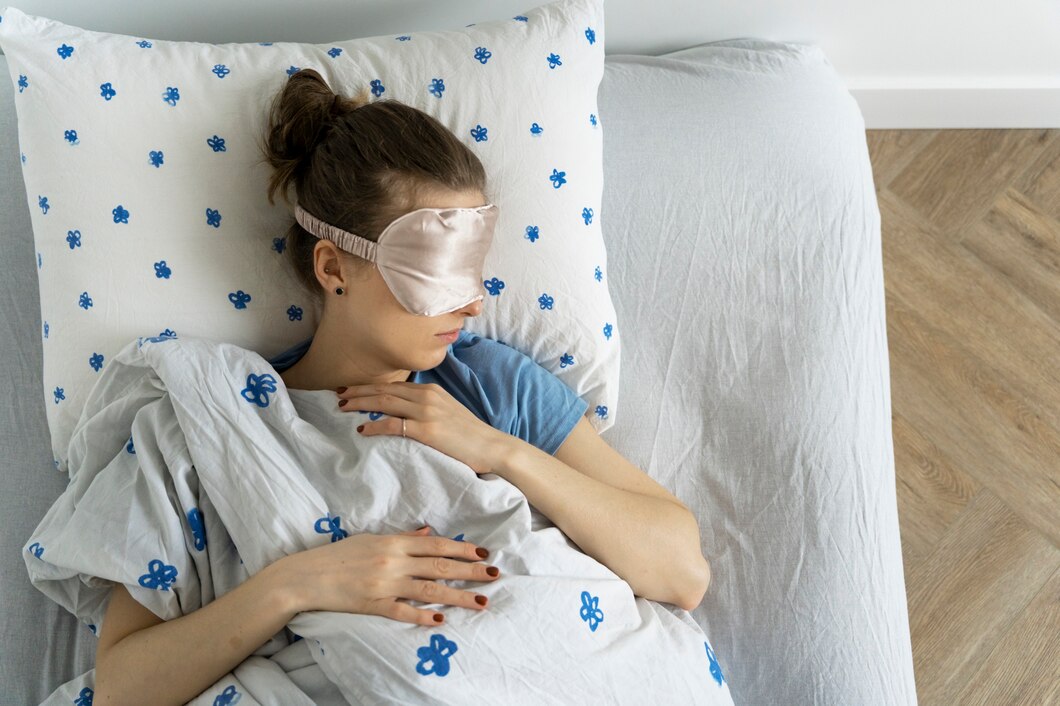
Loud snoring and constant daytime fatigue are more than just minor daily inconveniences. For millions of adults, these symptoms signal a serious medical condition known as obstructive sleep apnea (OSA). While continuous positive airway pressure (CPAP) machines have long served as the primary treatment for sleep-disordered breathing, many patients struggle to adapt to the bulky masks, hose restrictions, and motor noise.
If you are seeking a quieter, more comfortable alternative, you may wonder: can a simple mouth device truly manage these conditions? The short answer is yes. Custom dental devices, medically known as mandibular advancement devices or oral appliances, offer an effective, non-invasive treatment option. At Sierra Sleep Airway and Wellness Center, patients receive personalized care designed to address sleep-disordered breathing at its root cause.
Understanding Obstructive Sleep Apnea and Snoring
To understand how a dental device works, it is essential to look at the underlying mechanics of sleep apnea and snoring.
Snoring occurs when the tissues in the back of the throat relax during sleep. As air passes through this narrowed passage, the soft palate and surrounding structures vibrate, creating sound. Obstructive sleep apnea occurs when these soft tissues relax and block the airway entirely for brief periods throughout the night.
These pauses in breathing, known as apneas, can occur dozens or even hundreds of times each night. Each episode causes oxygen levels in the blood to drop, prompting the brain to briefly wake the body to restore normal breathing. Because these awakenings are often brief, most individuals have no memory of them, yet they wake up feeling unrefreshed, irritable, and exhausted.
Common Signs of Obstructive Sleep Apnea
- Loud, persistent snoring interrupted by pauses or gasping sounds
- Excessive daytime sleepiness and difficulty concentrating
- Waking up with a dry mouth, sore throat, or morning headache
- Frequent nighttime awakenings or restless sleep
- Irritability, mood changes, or decreased cognitive performance
When left untreated, chronic sleep fragmentation increases long-term risks for cardiovascular diseases, high blood pressure, stroke, type 2 diabetes, and severe fatigue-related daytime accidents.
What is Oral Appliance Therapy for Sleep Apnea?
Oral appliance therapy for sleep apnea is a non-invasive, evidence-based treatment designed to maintain an open upper airway during sleep. Unlike CPAP machines, which deliver forced pressurized air through a facial mask, oral appliances are custom-crafted dental trays that fit comfortably over the upper and lower teeth.
The primary goal of oral appliance therapy sleep apnea management is to prevent the soft tissues in the back of the throat from collapsing into the airway. By making micro-adjustments to the position of the lower jaw, these devices maintain space for steady airflow throughout the night, significantly reducing both snoring vibrations and airway blockages.
How Custom Oral Appliances for Sleep Apnea Work
Not all mouthguards function the same way. Over-the-counter boil-and-bite snoring guards available at drugstores are fundamentally different from medical-grade devices prescribed by trained sleep dentists.
Custom oral appliances for sleep apnea work through precise structural repositioning:
1. Lower Jaw Advancement
The primary function of a mandibular advancement device is to hold the lower jaw slightly forward in a precise position. Moving the jaw forward pulls the connected tongue and surrounding soft tissues away from the back of the throat.
2. Airway Stabilization
By securing the jaw forward, the appliance tightens the soft tissues of the soft palate and lateral pharyngeal walls. This structural stabilization prevents tissue vibration (snoring) and complete obstruction (sleep apnea).
3. Comfortable, Controlled Adjustability
Medical-grade appliances feature built-in titration mechanisms. These small adjustments allow your sleep provider to advance the jaw in tiny increments over time, finding the precise position that maximizes airway openness while preserving jaw joint comfort.
Types of Sleep Apnea Oral Appliances
There are two primary categories of sleep apnea oral appliances utilized in clinical practice:
| Appliance Type | Primary Mechanism | Best Suited For | Key Advantages |
| Mandibular Advancement Devices (MADs) | Repositions the lower jaw slightly forward and downward to clear the airway. | Mild to moderate OSA, primary snoring, CPAP-intolerant patients. | High patient compliance, fully adjustable, compact, quiet. |
| Tongue Retaining Devices (TRDs) | Uses gentle suction to hold the tongue forward away from the throat. | Patients with missing teeth, periodontal concerns, or joint issues. | Does not rely on tooth structure for anchor support. |
Benefits of Choosing Oral Appliance Therapy
While CPAP remains a common treatment, clinical studies consistently show that oral appliance therapy offers high success rates due to high patient compliance. A treatment is only effective if used consistently, and patients often find dental appliances far easier to incorporate into their night routines.
Key Advantages Include:
- Comfort and Convenience: The devices are small, lightweight, and custom-molded to fit your mouth smoothly without bulky straps or masks.
- Silent Operation: Unlike CPAP motors and air valves, dental appliances operate completely silently, allowing both you and your partner to sleep soundly.
- Portability: Custom devices fit easily into a small travel case, eliminating the need to haul specialized equipment through airport security or locate power outlets when traveling.
- Easy Maintenance: Cleaning requires only standard daily brushing with warm water and mild cleanser.
- Non-Invasive and Immediate: Most patients adjust to wearing the appliance within a few nights and notice improvements in daytime energy levels rapidly.
Who is an Ideal Candidate for an Oral Appliance?
Dental devices are not a universal fix for every degree of sleep-disordered breathing, which is why proper diagnosis by a medical professional is essential.
You may be an ideal candidate for sleep apnea oral appliance therapy if you:
- Have been diagnosed with mild to moderate obstructive sleep apnea through a formal sleep study.
- Suffer from loud, primary snoring without severe structural airway obstructions.
- Are unable or unwilling to use a CPAP machine regularly.
- Have adequate natural teeth and healthy jaw joint structure to support the device.
For individuals diagnosed with severe OSA, CPAP remains the primary medical recommendation. However, for severe patients who cannot tolerate CPAP despite all adjustments, a custom appliance can serve as an effective secondary therapy when monitored by a medical team.
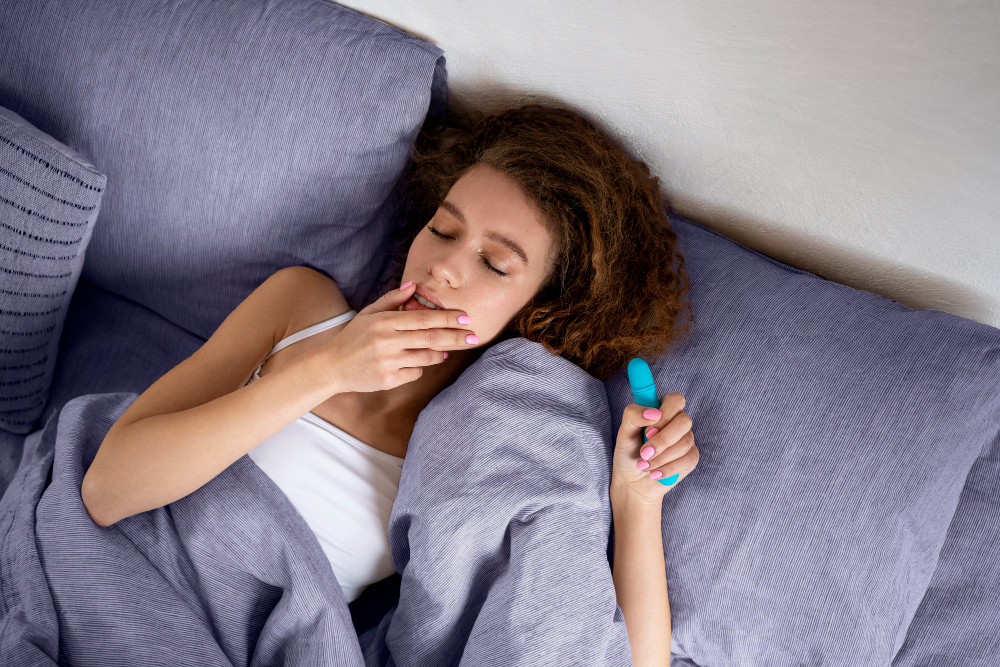
Why Choose Professional Care Over Over-the-Counter Options?
It can be tempting to order inexpensive snoring mouthpieces online, but direct-to-consumer products carry significant health risks.
Over-the-counter devices use generic shapes that do not account for your specific dental arch, bite alignment, or temporomandibular joint (TMJ) mechanics. Using non-custom devices over time can lead to irreversible bite shifts, tooth movement, jaw pain, permanent joint damage, and inadequate airway support.
Working with experienced professionals at Sierra Sleep Airway and Wellness Center ensures that your care plan includes proper diagnostics, custom fitting, safe titration protocols, and ongoing evaluation of your joint and airway health.
The Path to Better Rest: What to Expect
Beginning treatment with a custom mouth appliance involves a structured, medical step-by-step process:
Step 1: Comprehensive Evaluation and Diagnosis
Your journey begins with a clinical evaluation of your airway, jaw structure, and sleep history. If you have not yet completed a sleep study, our team helps coordinate diagnostic testing to confirm the exact nature and severity of your condition.
Step 2: Digital Impressions and Device Fabrication
Once cleared for treatment, precise digital scans or detailed impressions of your upper and lower teeth are taken. These scans are sent to a specialized dental laboratory, where your custom device is fabricated using durable, biocompatible materials.
Step 3: Fitting and Initial Titration
When your appliance arrives, you return to the clinic for a custom fitting. Your provider ensures proper seating, verifies that the bite alignment is comfortable, and provides clear instructions on how to insert, remove, adjust, and clean your device.
Step 4: Follow-Up Care and Outcome Verification
Over the first few weeks, you will gradually titrate the appliance forward as guided by your provider. Once your snoring and daytime fatigue improve, a follow-up sleep assessment ensures that your sleep apnea is effectively controlled at a physiological level.
Frequently Asked Questions
Is oral appliance therapy comfortable to wear overnight?
Yes. Because these devices are custom-fabricated from smooth, lightweight medical materials based on precise scans of your mouth, most patients adapt within a few days. You may experience slight temporary jaw stiffness or increased salivation during the first week as your body adjusts.
Can a mouth appliance completely eliminate snoring?
In most cases of primary snoring and mild-to-moderate sleep apnea, a custom device significantly reduces or entirely eliminates snoring. By keeping the airway open and preventing tissue collapse, the air flows smoothly without creating noisy vibrations.
How long do custom sleep apnea oral appliances last?
With proper care, cleaning, and storage, a high-quality custom appliance typically lasts between 3 to 5 years. Regular dental checkups allow your provider to monitor the device for wear and ensure it continues to fit accurately.
Will insurance cover custom oral appliance therapy?
In many cases, health insurance providers cover custom devices under medical insurance benefits rather than dental coverage, provided there is a documented medical diagnosis of obstructive sleep apnea from a sleep physician.
Take the Next Step Toward Restorative Sleep
So, can a mouth appliance really stop snoring and sleep apnea? For millions of individuals, the answer is a definitive yes. Custom oral devices offer a proven, comfortable, and quiet solution that restores normal breathing patterns, protects cardiovascular health, and delivers deep, restful sleep.
If you or your partner are struggling with chronic snoring, morning fatigue, or CPAP frustration, reach out to our expert team. Contact Sierra Sleep Airway and Wellness Center today to schedule your comprehensive sleep consultation and take control of your sleep health.