


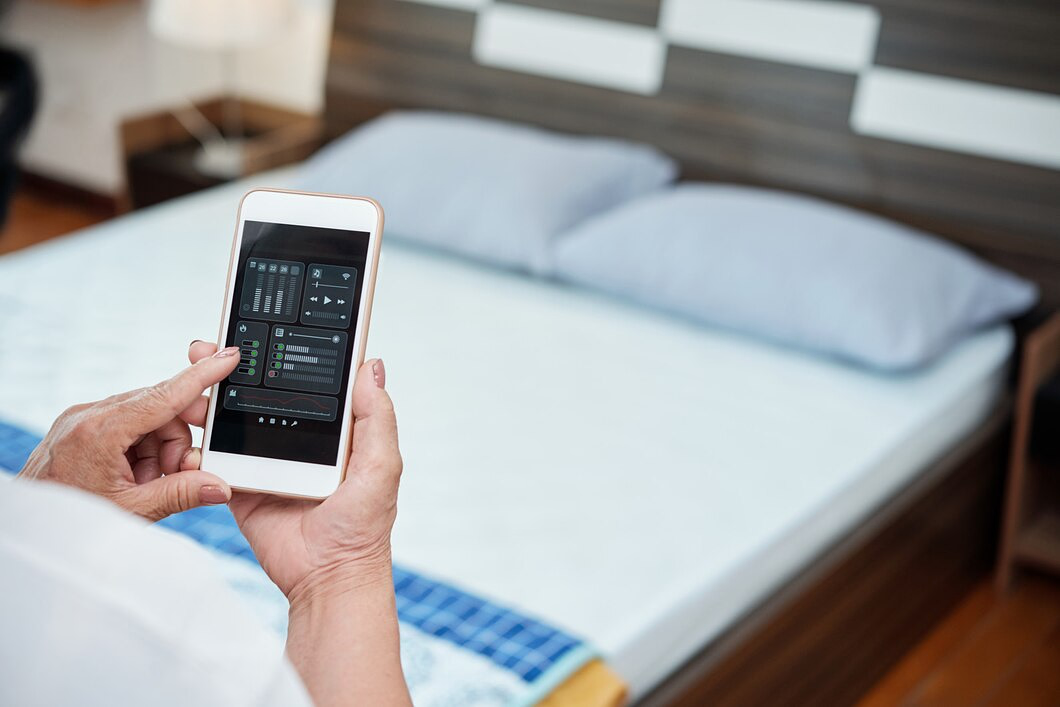
Sleep apnea is a complex sleep disorder that affects millions of people, causing repeated interruptions in breathing throughout the night. Managing this condition often requires a combination of medical intervention and environmental adjustments. One of the most common questions patients ask when optimizing their bedrooms is whether they should invest in a smart bed or stick with a traditional bed. At Sierra Sleep Airway and Wellness Center, we believe that understanding how your sleep environment impacts your airway is the first step toward achieving restorative rest. In this comprehensive guide, we will explore the debate of smart beds vs traditional beds for sleep apnea, looking closely at how each option supports better breathing and sleep quality.
Understanding Sleep Apnea and Sleep Quality
Before diving into mattress technologies, it is essential to understand what happens in the body during a sleep apnea episode. Obstructive sleep apnea occurs when the muscles in the back of the throat relax too much, causing the soft tissues to collapse and block the airway. When this happens, your brain senses a drop in oxygen and briefly wakes you up to reopen the airway. These interruptions can happen dozens of times per hour, preventing you from reaching the deep, restorative stages of sleep.
The consequences of untreated sleep apnea go far beyond morning fatigue. Chronic sleep deprivation caused by apnea is linked to high blood pressure, cardiovascular disease, metabolic syndrome, and cognitive decline. To fully grasp the severity of this condition, it is helpful to explore the symptoms and risk factors of sleep apnea in adults.
While medical treatments provided by a professional sleep and wellness center are the primary way to manage this disorder, your physical sleep surface plays a supporting role. The right bed can either facilitate easier breathing or inadvertently make your symptoms worse.
What Makes a Bed Smart?
A smart bed is a technologically advanced sleep system designed to monitor and respond to your body during the night. Unlike standard mattresses, smart beds integrate various sensors, automated adjustments, and companion applications to optimize the sleep environment.
Key features of a smart bed include:
- Automatic Adjustments: The bed can automatically change the firmness or elevation based on your sleeping position. For example, if you roll onto your back, the bed might slightly elevate your head to prevent airway collapse.
- Biometric Tracking: Embedded sensors monitor heart rate, breathing patterns, and movement, providing a detailed sleep score each morning.
- Temperature Regulation: Many smart beds feature active cooling and heating capabilities, helping to maintain the ideal body temperature for uninterrupted sleep.
- Adjustable Bases: Smart beds often pair with advanced adjustable bases that allow users to program specific elevation angles for the head and feet.
For individuals exploring beds for sleep apnea, the automatic positioning and biometric monitoring features are the most relevant, as they directly address the physical mechanics of airway obstruction.
The Case for Traditional Beds
Traditional beds have been the standard for centuries. They consist of a standard mattress paired with a standard frame. These mattresses come in various materials, including innerspring, memory foam, and latex.
Advantages of traditional beds include:
- Simplicity and Reliability: With no electronic components, there is nothing to break, charge, or update.
- Cost Effectiveness: Traditional mattresses are generally much less expensive than their smart counterparts.
- Material Variety: Sleepers can choose from a wide array of materials to find the right balance of support and pressure relief.
- Durability: High quality traditional mattresses often last eight to ten years with proper care.
However, traditional beds have a significant limitation regarding sleep apnea: they are flat and static. If you sleep on your back on a flat surface, gravity works against you, pulling the tongue and soft palate downward into the airway. While you can use a wedge pillow to achieve an incline, pillows often shift during the night, leaving you flat and vulnerable to apnea episodes by morning.
Smart Beds vs Traditional Beds for Sleep Apnea
When evaluating beds for sleep apnea, certain features become more important than overall comfort. The ability to maintain an open airway, monitor breathing, and stay in a supportive position are critical factors.
Elevation and Positional Therapy
Elevating the head is a well known strategy for managing sleep apnea. A slight incline uses gravity to pull the tongue and soft tissues forward, away from the airway. Smart beds with adjustable bases excel in this area. They provide a consistent, programmable incline that stays in place all night. Furthermore, some smart beds feature anti snore presets that automatically raise the head a few degrees when the sensors detect heavy breathing or snoring.
Traditional beds require aftermarket solutions like wedge pillows or adjustable bases bought separately. While a traditional memory foam or latex mattress can be placed on an adjustable base, it lacks the automated response and biometric feedback of a smart system.
Sleep Tracking and Monitoring
Knowledge is power when managing a chronic condition. Smart beds continuously track your breathing patterns, heart rate, and time spent in different sleep stages. While this data is not a substitute for a professional sleep study, it provides valuable insights that you can share with a specialist at a sleep clinic reno. If your bed shows frequent breathing disturbances, it may be time to seek medical intervention.
Traditional beds offer no monitoring capabilities. If you sleep alone, you may have no idea how many times you stopped breathing during the night, making it harder to track the progression of your condition.
Comfort and Pressure Relief
Both smart and traditional beds can offer excellent pressure relief, which is vital for staying asleep. However, smart beds allow couples to customize their side of the bed. If one partner needs a softer feel while the other needs a firmer, elevated surface for their sleep apnea, a smart bed can accommodate both without compromise.
Comparison Table
| Feature | Smart Beds | Traditional Beds |
|---|---|---|
| Head Elevation | Programmable, automatic adjustments | Flat surface, requires separate wedge |
| Sleep Tracking | Built-in biometric sensors | None |
| Snore Response | Auto elevates head upon detection | No response |
| Cost | High | Moderate |
| Maintenance | Requires power, potential tech issues | Simple, no electronics |
| Airway Support | Active and positional | Passive |
Why Your Mattress Choice Is Only Part of the Solution
While an adjustable or smart bed is an excellent tool for managing symptoms, it is crucial to understand that a mattress cannot cure sleep apnea. The structural collapse of the airway requires medical intervention to be properly addressed. This is why visiting a specialized sleep wellness clinic Reno is a necessary step for anyone suffering from chronic snoring or breathing pauses.
Physicians and dental sleep specialists focus on the root cause of the obstruction. One of the most effective treatments for mild to moderate obstructive sleep apnea is oral appliance therapy. These custom fitted dental devices gently push the lower jaw forward, physically keeping the airway open regardless of your sleep position or mattress type. Combining an optimized sleep surface with a medical device is often the most effective way to achieve uninterrupted sleep.

How a Sleep Center in Reno Can Help
Choosing the right mattress is a great first step, but diagnosing and treating the root cause of your sleep issues requires professional medical expertise. At our wellness center in reno, we specialize in evaluating the upper airway to identify the precise anatomical causes of sleep disordered breathing.
We take a comprehensive approach to sleep health. Instead of just handing you a machine, we evaluate your nasal passages, throat structure, and jaw alignment. We understand that every patient has unique anatomy, which means treatment should be highly personalized. If you want to learn more about our approach to patient care, you can read about why choose us for your sleep health journey.
Our goal at the sleep & wellness center is to provide long term solutions that improve both your sleep quality and your overall systemic health. By addressing the airway directly, we can reduce the strain on your cardiovascular system and help you wake up feeling genuinely refreshed.
Combining the Right Bed with Professional Treatment
Synergy between your sleep environment and your medical treatment is the ultimate goal. Imagine sleeping on a smart bed that slightly elevates your head while wearing a professionally fitted oral appliance that stabilizes your jaw. The bed prevents gravity from pulling your tissues back, while the appliance ensures your jaw remains in a forward position. Together, they create an environment where breathing remains steady and unobstructed all night long.
If you are considering different appliances for sleep apnea, it is helpful to consult with a professional who understands how these devices interact with your specific sleeping posture. A dental sleep expert can ensure your appliance fits comfortably, whether you sleep elevated on a smart bed or flat on a traditional mattress.
Conclusion
When comparing smart beds vs traditional beds for sleep apnea, smart beds offer distinct advantages. Their ability to maintain a consistent head elevation and track breathing disturbances makes them a superior choice for mitigating symptoms. However, traditional beds paired with high quality wedge pillows can also be effective when budget is a concern.
Ultimately, neither a smart bed nor a traditional bed can replace medical treatment. Overcoming sleep apnea requires professional care to keep the airway open at a physiological level. If you are ready to address your sleep breathing issues at the source, we encourage you to contact us today to schedule a consultation with our specialists.
Frequently Asked Questions
Can a smart bed cure sleep apnea?
No, a smart bed cannot cure sleep apnea. It can help alleviate symptoms by allowing you to sleep with your head elevated and by tracking your breathing disturbances.
Is an adjustable base necessary for sleep apnea?
While not strictly necessary, an adjustable base is highly recommended for individuals with sleep apnea. Elevating the head and torso uses gravity to help keep the airway clear, which can significantly reduce the frequency of breathing interruptions.
What is the best sleeping position for sleep apnea?
Side sleeping is generally considered the best position for individuals with sleep apnea. Sleeping on your back allows gravity to pull the tongue and soft palate down into the throat, increasing the likelihood of an airway obstruction.
How do I know if I need an oral appliance?
If you have been diagnosed with mild to moderate obstructive sleep apnea, or if you cannot tolerate a continuous positive airway pressure machine, an oral appliance may be an ideal solution.