

Dealing with sleep apnea can be an exhausting and frustrating experience. When you are diagnosed with obstructive sleep apnea, your doctor will likely recommend treatment to keep your airway open during the night. For years, the continuous positive airway pressure machine, commonly known as CPAP, has been the standard treatment. However, an increasing number of patients are seeking alternatives due to the bulk and noise of the machine. At Sierra Sleep Airway and Wellness Center, we understand that every patient has unique needs and preferences. This comprehensive guide will compare CPAP machines and oral appliance therapy for sleep apnea, helping you determine which treatment option is the right choice for your lifestyle and health.
Understanding Sleep Apnea and Its Impact
Obstructive sleep apnea is a common but serious sleep disorder that occurs when the muscles in the back of the throat fail to keep the airway open, despite the effort to breathe. This results in brief, repeated interruptions in breathing throughout the night. These pauses can happen dozens or even hundreds of times per hour, leading to fragmented sleep and reduced oxygen levels in the blood.
Recognizing the symptoms of sleep apnea in adults is the first step toward effective treatment. Common signs include loud and chronic snoring, gasping or choking sounds during sleep, morning headaches, dry mouth upon waking, and excessive daytime sleepiness. If left untreated, sleep apnea can lead to severe health complications such as high blood pressure, heart disease, stroke, type 2 diabetes, and depression. Finding a treatment that you will consistently use is critical for preventing these long-term health consequences.
What is Continuous Positive Airway Pressure (CPAP) Therapy?
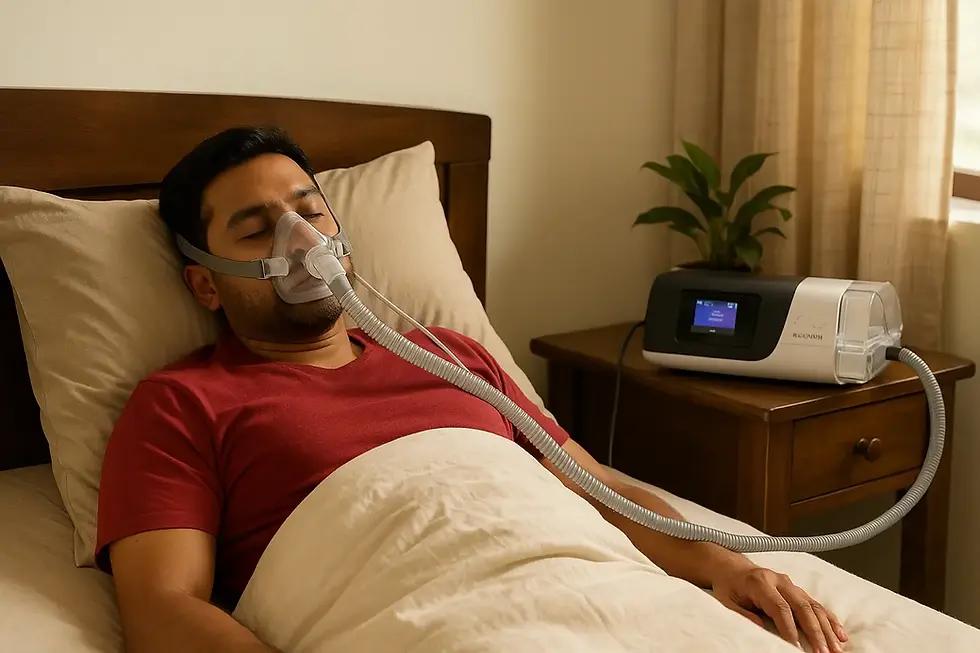
CPAP therapy involves the use of a machine that delivers a continuous stream of pressurized air through a hose and a mask worn over the nose, mouth, or both. This constant air pressure acts as a splint, holding the airway open and preventing the soft tissues in the throat from collapsing.
Benefits of CPAP Therapy
CPAP machines are highly effective when used correctly. They are often prescribed for severe cases of sleep apnea because they provide a reliable and constant flow of air. The treatment does not require dental work or custom fitting of dental devices, making it accessible for many patients right after diagnosis.
Drawbacks of CPAP Therapy
Despite its effectiveness, many patients struggle with CPAP compliance. The machines can be loud, disrupting the sleep of both the user and their partner. The masks can be uncomfortable, causing skin irritation or claustrophobia. The forced air pressure can also lead to a dry mouth, dry nose, and sinus congestion. Furthermore, traveling with a CPAP machine is cumbersome due to its size and the need for a power source.
Exploring Oral Appliance Therapy
For patients who cannot tolerate a CPAP machine or prefer a more convenient option, sleep apnea oral appliance therapy offers an excellent alternative. Oral appliances are small, custom-fitted devices worn in the mouth during sleep. They look similar to sports mouthguards or orthodontic retainers.
How Oral Appliances Work
Most oral appliances work by repositioning the lower jaw and tongue slightly forward. This forward movement keeps the soft tissues of the throat from collapsing into the airway, allowing for steady, uninterrupted breathing throughout the night. By physically opening the airway without the use of forced air, these devices provide a quiet and comfortable solution to sleep apnea.
The Process of Getting an Oral Appliance
Obtaining a custom appliance requires a visit to a specialized dentist. The process typically involves a comprehensive oral examination, digital imaging, and physical impressions of your teeth. These impressions are sent to a dental lab where your custom oral appliances for sleep apnea are fabricated to fit your unique dental anatomy perfectly. Once the device is ready, your dentist will fit it and make minor adjustments to ensure maximum comfort and effectiveness.
CPAP vs Oral Appliances: A Detailed Comparison
Choosing between a CPAP machine and an oral appliance requires a careful look at how each treatment fits into your daily life. Both treatments are effective, but they differ significantly in comfort, maintenance, and usability.
Comfort and Wearability
CPAP masks can be intrusive. Strapping a mask to your face every night can feel restrictive, and the continuous airflow can cause dryness and irritation. In contrast, oral appliance therapy sleep apnea treatment relies on a small, lightweight device that sits entirely inside the mouth. Most patients find oral appliances much more comfortable to wear, as there are no straps, hoses, or masks involved.
Effectiveness and Compliance
While CPAP is technically highly effective, its real-world effectiveness is limited by patient compliance. Studies show that a significant percentage of CPAP users abandon the machine within the first few months due to discomfort. Oral appliance therapy generally boasts much higher compliance rates because the devices are comfortable and easy to use. For mild to moderate sleep apnea, oral appliance therapy is often just as effective as CPAP, provided the device is properly fitted and adjusted by an experienced dental and sleep team.
Maintenance and Travel
Maintaining a CPAP machine involves daily cleaning of the mask, hose, and humidifier chamber. The machine also requires distilled water, and the filters need regular replacement. Traveling with a CPAP requires a dedicated bag and access to an electrical outlet.
Oral appliances require simple daily cleaning with a toothbrush and mild soap. Their compact size makes them incredibly easy to transport. You can easily slip the device into a carry-on bag or purse, making sleep apnea oral appliances the preferred choice for frequent travelers.
Comparison Table: CPAP vs Oral Appliances
| Feature | CPAP Therapy | Oral Appliance Therapy |
|---|---|---|
| Mechanism | Pressurized air keeps airway open | Jaw and tongue repositioning keeps airway open |
| Comfort | Can be bulky, may cause dry mouth | Lightweight, fits comfortably in the mouth |
| Noise Level | Machine can be noisy | Completely silent |
| Maintenance | Daily cleaning of hoses, masks, and humidifier | Simple brushing with toothpaste and water |
| Travel | Bulky, requires power source | Compact, easy to pack, no power needed |
| Best Suited For | Severe sleep apnea, patients who tolerate masks well | Mild to moderate apnea, CPAP-intolerant patients, travelers |

The Advantages of Custom Oral Appliances for Sleep Apnea
Custom oral appliances offer a comfortable, personalized approach to managing sleep apnea while supporting better sleep and long-term treatment adherence.
- Improved quality of life: Custom oral appliances are designed to fit the exact contours of your mouth, making them more comfortable than standard CPAP equipment for some patients.
- Reduced jaw discomfort and tooth shifting: A properly fitted appliance can help minimize unnecessary pressure on the jaw and reduce the risk of unwanted tooth movement.
- Personalized treatment: Each device is customized to the patient’s specific dental structure and sleep apnea needs.
- Adjustable positioning: Your dentist can adjust the appliance to increase or decrease the forward positioning of the jaw as your treatment needs change.
- Long-term flexibility: Adjustability can help maintain treatment effectiveness over time without requiring an entirely new device whenever minor changes are needed.
- Learn more about the process: Oral appliance therapy for sleep apnea explains the process from diagnosis through final fitting.
How to Choose the Right Treatment
Deciding between CPAP and an oral appliance should be done in consultation with both your primary care physician, sleep specialist, and a qualified dentist. The decision usually hinges on the severity of your sleep apnea, your anatomical structure, and your personal lifestyle preferences.
If you have severe sleep apnea, a CPAP machine might be the most medically appropriate option. However, if you have mild to moderate sleep apnea, or if you have tried CPAP therapy and simply cannot tolerate the machine, oral appliance therapy is a clinically proven and highly effective alternative.
It is also important to ensure that the dental professional you choose has extensive experience in sleep medicine. Proper fitting is essential not only for the effectiveness of the device but also for your dental health. A poorly fitted appliance can lead to bite changes or temporomandibular joint (TMJ) discomfort. When looking for a provider, it helps to understand why you should choose us as your partner in sleep health. Partnering with professionals who understand the delicate balance of the airway and dental occlusion is vital for successful treatment.
Conclusion
Finding the right treatment for sleep apnea is a critical step toward reclaiming your health, energy, and quality of life. While CPAP machines are highly effective for severe cases and provide constant air pressure, they often fall short in patient compliance due to their bulky and intrusive nature. Oral appliance therapy provides a comfortable, quiet, and highly portable alternative that is particularly effective for mild to moderate sleep apnea. By keeping the airway open through gentle jaw repositioning, these custom devices ensure you get the restorative sleep you need without the hassle of a machine.
Taking control of your sleep health starts with a professional evaluation. If you are ready to explore your treatment options and find out if an oral appliance is right for you, please contact us today. A better night’s sleep is within reach, and our dedicated team is here to help you achieve it.
Frequently Asked Questions (FAQ)
Are oral appliances as effective as CPAP machines?
For mild to moderate obstructive sleep apnea, oral appliances are generally as effective as CPAP machines. For severe sleep apnea, CPAP is usually the first line of treatment.
Will an oral appliance damage my teeth or jaw?
When a device is custom-fitted and monitored by a qualified dentist, the risk of dental damage is very low.
How long does an oral appliance last?
With proper care and maintenance, a high-quality oral appliance typically lasts between three to five years.
Does insurance cover oral appliance therapy?
Yes, most medical insurance plans, including Medicare, cover oral appliance therapy when it is prescribed by a physician for the treatment of obstructive sleep apnea.