


Sleep health is essential for maintaining physical, mental, and emotional well-being. Yet, many individuals struggle with chronic fatigue, snoring, or disrupted sleep without realizing that the root cause may lie in oral and facial muscle dysfunction. Increasingly, healthcare professionals are recognizing the impact of airway health and muscle coordination on sleep quality.
Orofacial myofunctional therapy has emerged as a non-invasive and effective approach to improving breathing patterns and restoring proper muscle function. At Sierra Sleep Airway and Wellness Center, patients receive individualized care designed to address the underlying causes of sleep-related issues. With the support of a trained myofunctional therapist, individuals can retrain their muscles, improve airway stability, and experience long-term improvements in sleep health.
Understanding Orofacial Myofunctional Therapy
Orofacial myofunctional therapy is a program of targeted exercises that improves the strength and coordination of the tongue, lips, and facial muscles. It helps support proper breathing, swallowing, and airway function for better overall health and sleep quality.
What Is Orofacial Myofunctional Therapy?
Orofacial myofunctional therapy is a specialized therapeutic approach that focuses on the muscles of the face, mouth, and tongue. These muscles play a critical role in breathing, chewing, swallowing, and maintaining an open airway during sleep.
The therapy involves a series of targeted exercises that help strengthen weak muscles, improve coordination, and establish proper oral posture. Instead of relying on temporary solutions, this therapy aims to correct the functional issues that contribute to sleep disturbances.
Key Objectives of Therapy
The primary goals of orofacial myofunctional therapy include:
- Encouraging nasal breathing over mouth breathing
- Establishing proper tongue posture against the palate
- Strengthening lip and facial muscles
- Improving swallowing patterns
- Supporting airway stability during sleep
To explore a comprehensive overview of available services, you can visit what we offer.
The Science Behind Sleep and Airway Function
During sleep, relaxed throat and tongue muscles can narrow the airway, affecting breathing and oxygen flow. Proper muscle tone and airway alignment are essential to maintain uninterrupted, restorative sleep.
How Airway Obstruction Occurs
During sleep, the muscles in the body naturally relax. For individuals with weak or poorly coordinated oral muscles, this relaxation can lead to partial or complete airway obstruction. The tongue may fall backward, or the soft tissues in the throat may collapse, restricting airflow.
This obstruction often results in:
- Snoring
- Interrupted breathing
- Reduced oxygen levels
- Frequent awakenings
The Role of Muscle Tone
Proper muscle tone is essential for keeping the airway open. When the muscles of the tongue and throat are strong and well-coordinated, they help maintain a clear airway, even during deep sleep.
A professional evaluation, such as a sleep apnea assessment, can help identify whether airway obstruction is contributing to sleep issues.
The Role of a Myofunctional Therapist
A myofunctional therapist evaluates and treats dysfunction in the muscles of the face, mouth, and tongue to improve breathing, swallowing, and oral posture. They create personalized exercise programs that help support airway health and enhance sleep quality.
What Does a Myofunctional Therapist Do?
A myofunctional therapist is trained to assess and treat dysfunction in the muscles of the face and mouth. Their role involves:
- Conducting detailed evaluations of oral muscle function
- Identifying improper breathing and swallowing patterns
- Designing customized therapy programs
- Monitoring progress and providing guidance
Importance of Professional Expertise
Working with experienced myofunctional therapists ensures that therapy is both safe and effective. Proper technique and consistency are critical for achieving lasting results.
To understand the approach and commitment to patient care, you can visit why choose us.
Myofunctional Therapy for Adults
Myofunctional therapy for adults focuses on retraining the muscles of the tongue, face, and airway to improve breathing, swallowing, and sleep quality. It helps reduce issues like snoring, mouth breathing, and poor oral posture through targeted exercises.
Why Adults Benefit from Therapy
While many people associate this therapy with children, myofunctional therapy for adults is equally important. Adults often develop long-standing habits such as mouth breathing, poor posture, or improper swallowing that negatively impact sleep quality.
These habits may go unnoticed for years but can significantly affect airway function and overall health.
Benefits of Myofunctional Therapy for Adults
Myofunctional therapy for adults helps improve breathing, reduce snoring, and support better sleep by strengthening oral and facial muscles. It also promotes proper tongue posture and long-term airway health under the guidance of a myofunctional therapist.
1. Improved Breathing Efficiency: Therapy promotes nasal breathing, which improves oxygen intake and reduces airway irritation.
2. Reduction in Snoring: Strengthening oral muscles minimizes the vibrations that cause snoring.
3. Enhanced Sleep Quality: Stable airflow leads to deeper and more restorative sleep cycles.
4. Increased Energy and Focus: Better sleep contributes to improved daytime alertness and productivity.
For detailed information about treatment methods, visit the myofunctional therapy page.
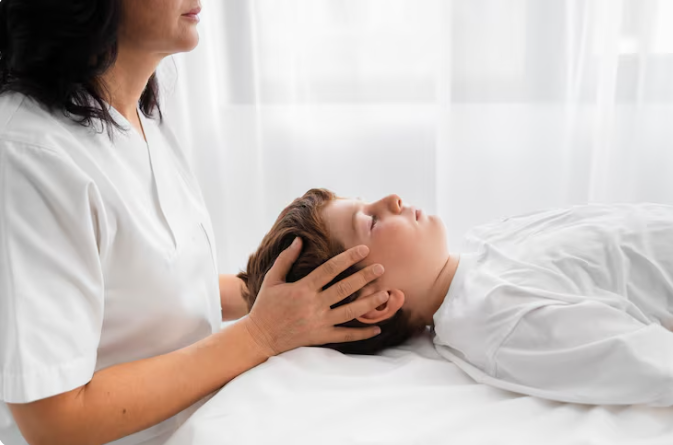
How Orofacial Myofunctional Therapy Improves Sleep Health
Orofacial myofunctional therapy strengthens the muscles of the tongue and airway, helping maintain proper breathing patterns during sleep. This reduces snoring, supports airway stability, and promotes deeper, more restorative sleep.
1. Strengthening the Airway: One of the primary benefits of orofacial myofunctional therapy is its ability to strengthen the muscles that support the airway. Over time, these muscles become more resilient, reducing the likelihood of collapse during sleep.
2. Promoting Nasal Breathing: Nasal breathing is essential for optimal sleep health. It filters, humidifies, and regulates airflow, ensuring that the body receives adequate oxygen.
3. Reducing Sleep Interruptions: By stabilizing the airway, therapy reduces the frequency of awakenings, allowing individuals to achieve uninterrupted sleep.
Common Conditions Treated by Myofunctional Therapists
Myofunctional therapists help address conditions like sleep apnea, chronic snoring, mouth breathing, and swallowing disorders by improving oral muscle function. Their therapy focuses on correcting habits that impact airway health and overall sleep quality.
1. Sleep Apnea: Mild to moderate sleep apnea can often be managed more effectively through muscle training and improved breathing patterns.
2. Chronic Snoring: Snoring is frequently a sign of airway obstruction, which therapy helps address.
3. Mouth Breathing: Transitioning to nasal breathing is a key focus of therapy.
4. Swallowing Disorders: Improper swallowing patterns can affect both oral health and airway function.
What to Expect During Therapy
During therapy, you will receive a personalized evaluation followed by simple daily exercises designed to improve breathing, tongue posture, and muscle function. Regular follow-ups help track progress and adjust the plan as needed for better sleep health.
1. Initial Assessment: The first step involves a comprehensive evaluation of muscle function, breathing patterns, and airway health.
2. Personalized Treatment Plan: Each patient receives a tailored program designed to address their unique needs.
3. Daily Exercises: Patients are guided through exercises that target specific muscles and improve coordination.
4. Ongoing Monitoring: Regular follow-ups with myofunctional therapists ensure progress and allow for adjustments to the treatment plan.
The Importance of Consistency and Commitment
Consistent daily practice of exercises is essential for retraining muscles and achieving results. Commitment over time ensures stable improvements in airway function and sleep health.
1. Daily Practice: Consistency is essential for achieving lasting results. Patients are encouraged to perform exercises daily as prescribed.
2. Building Healthy Habits: Over time, therapy helps replace harmful habits with healthier ones, such as proper tongue posture and nasal breathing.
Lifestyle Factors That Influence Sleep Health
Daily habits such as posture, diet, stress levels, and nasal breathing significantly affect sleep quality. Improving these lifestyle factors enhances the effectiveness of myofunctional therapy.
1. Sleep Hygiene: Maintaining a consistent sleep schedule and creating a comfortable sleep environment can significantly improve outcomes.
2. Nutrition and Hydration: Proper nutrition supports muscle health and overall well-being.
3. Stress Management: Managing stress can improve breathing patterns and promote better sleep.
Early Intervention and Long-Term Benefits
Starting therapy early can prevent worsening airway dysfunction and reduce the risk of sleep disorders. Over time, it supports lasting improvements in breathing, sleep quality, and overall health.
1. Preventing Serious Conditions: Addressing muscle dysfunction early can prevent the development of more severe sleep disorders.
2. Improving Quality of Life: Better sleep leads to improved mood, cognitive function, and overall health.
Integrating Myofunctional Therapy into a Holistic Approach
Myofunctional therapy works best when combined with overall sleep and airway care, including dental evaluation and sleep assessments. This holistic approach helps address multiple contributing factors for better long-term sleep health.
Collaborative Care: Orofacial myofunctional therapy is often most effective when combined with other treatments, such as dental care and sleep studies.
Comprehensive Evaluation: A thorough approach ensures that all contributing factors are addressed, leading to more effective and lasting results.
Why Choosing the Right Therapy Provider Matters
Selecting a qualified provider is essential for successful outcomes. Experienced myofunctional therapists offer personalized care, ensuring that therapy is tailored to individual needs.
A patient-focused approach emphasizes education, consistency, and long-term support.
Conclusion
Orofacial myofunctional therapy plays a vital role in improving sleep health by addressing the underlying causes of airway dysfunction. Through targeted exercises and guided support from a skilled myofunctional therapist, individuals can achieve better breathing, reduced snoring, and enhanced overall well-being.
If you are experiencing sleep disturbances or want to improve your sleep quality, seeking professional guidance can be an important step. To learn more about treatment options or to begin your journey toward better sleep, you can contact us for personalized assistance.
FAQ Section
1. What is orofacial myofunctional therapy?
It is a therapy that focuses on strengthening oral and facial muscles to improve breathing and sleep quality.
2. Who can benefit from myofunctional therapy for adults?
Adults experiencing snoring, mouth breathing, or sleep disturbances can benefit significantly.
3. What does a myofunctional therapist do?
A myofunctional therapist evaluates muscle function and provides exercises to improve airway stability.
4. Is orofacial myofunctional therapy safe?
Yes, it is a non-invasive and safe treatment option.
5. How long does it take to see results?
Many individuals notice improvements within a few weeks of consistent practice.